Shaboom! Showrunner

Co-created the show & Directed each episode

Showcasing story reels next to the finished episodes below.
Uploaded by Jeremy Shuback on 2018-10-25.
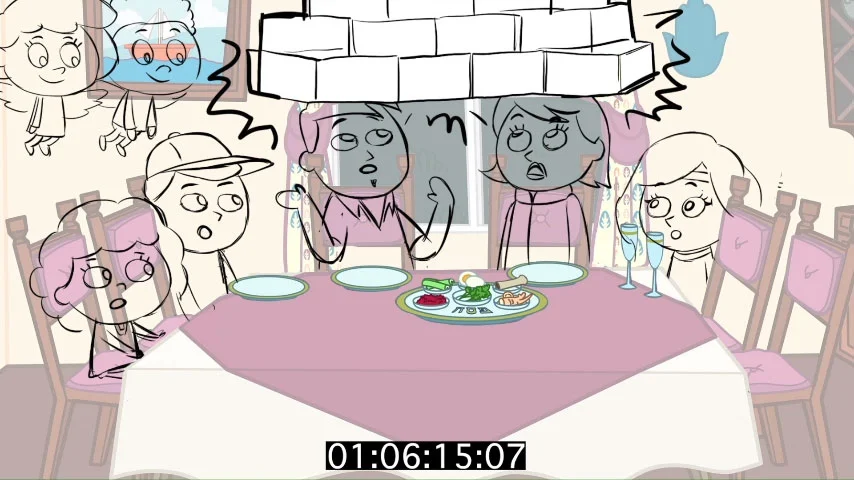
Rosh Hashanah, or the Jewish New Year, is a day where we celebrate by becoming better people. Watch this special Rosh Hashanah episode to see how Gabi and Rafi teach the Plony family a thing or two about Teshuva, or being your best self.
 

After the funder almost pulled out, I was promoted to direct the series and redid it from the ground up, which brought the funder back on board. I created a pitch book that ultimately turned into the show.
 
Uploaded by Jeremy Shuback on 2018-10-25.
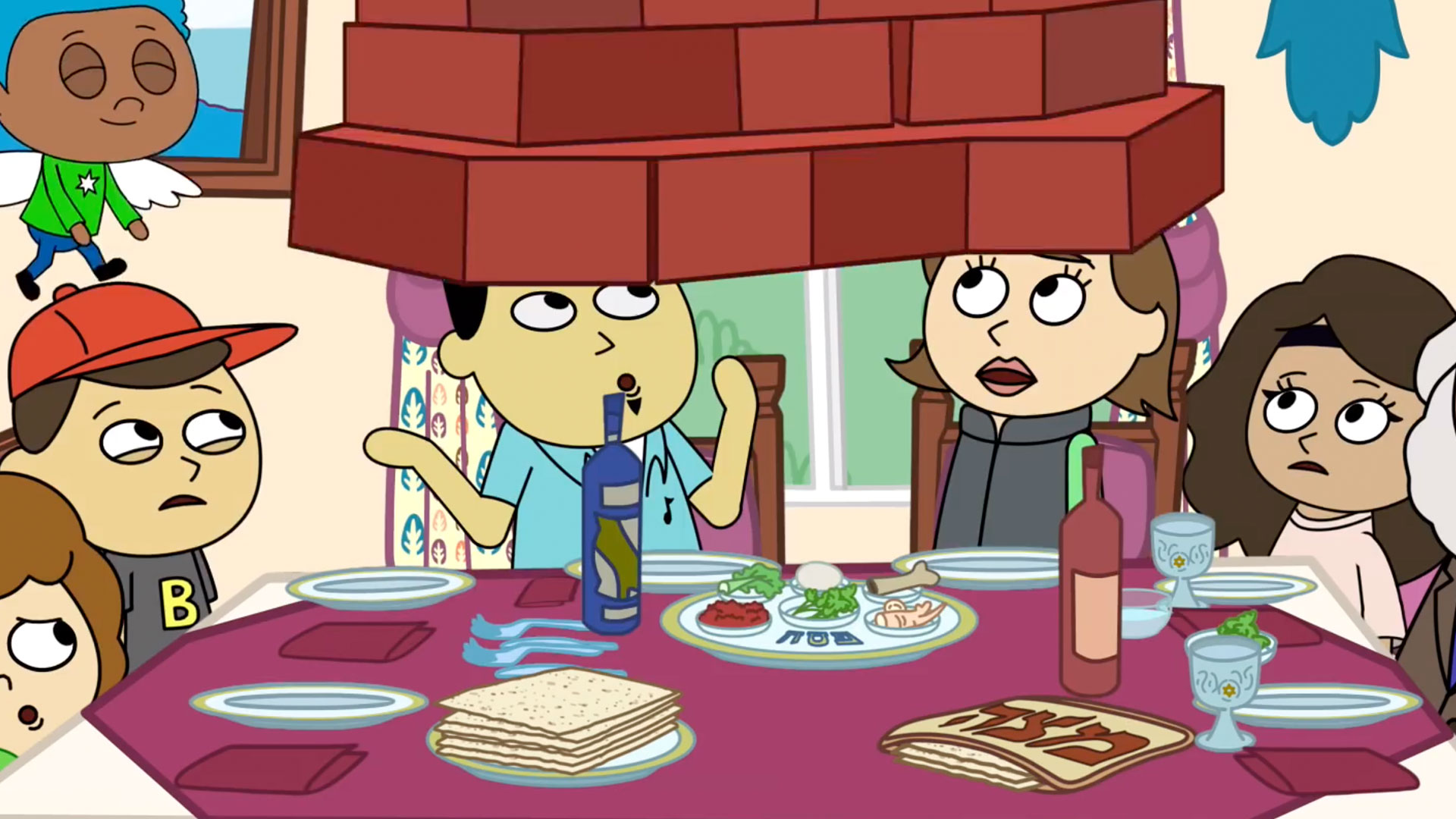
The Sparks can't find the chametz! The Plonys can't make matzah balls! Ma nishtana? Why is this night different from all other nights? Find out on this Passover special episode of SHABOOM! -- Get alerted when there's new episodes, singalongs, and other kids stuff! Sign up for the Shaboom!
 

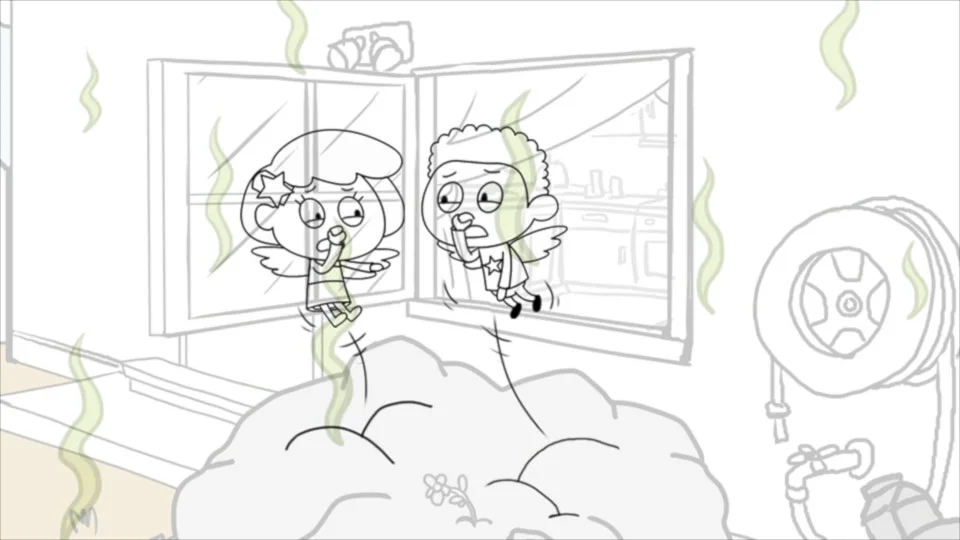
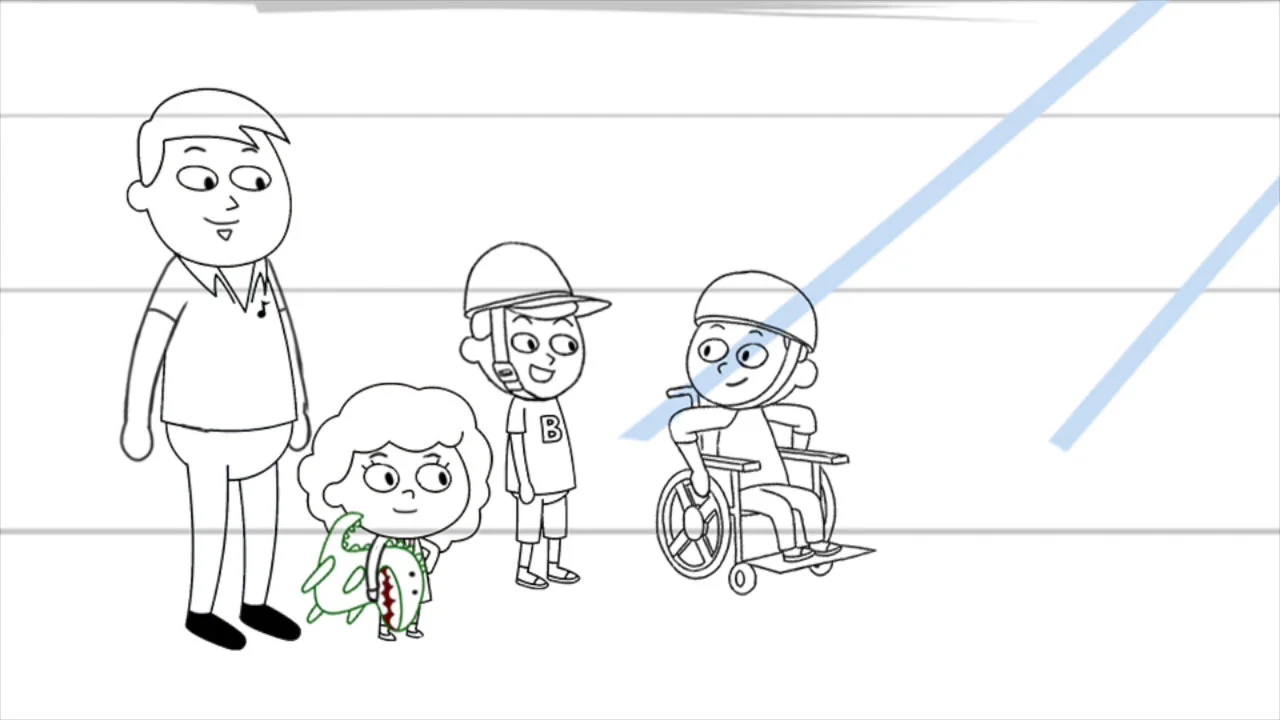
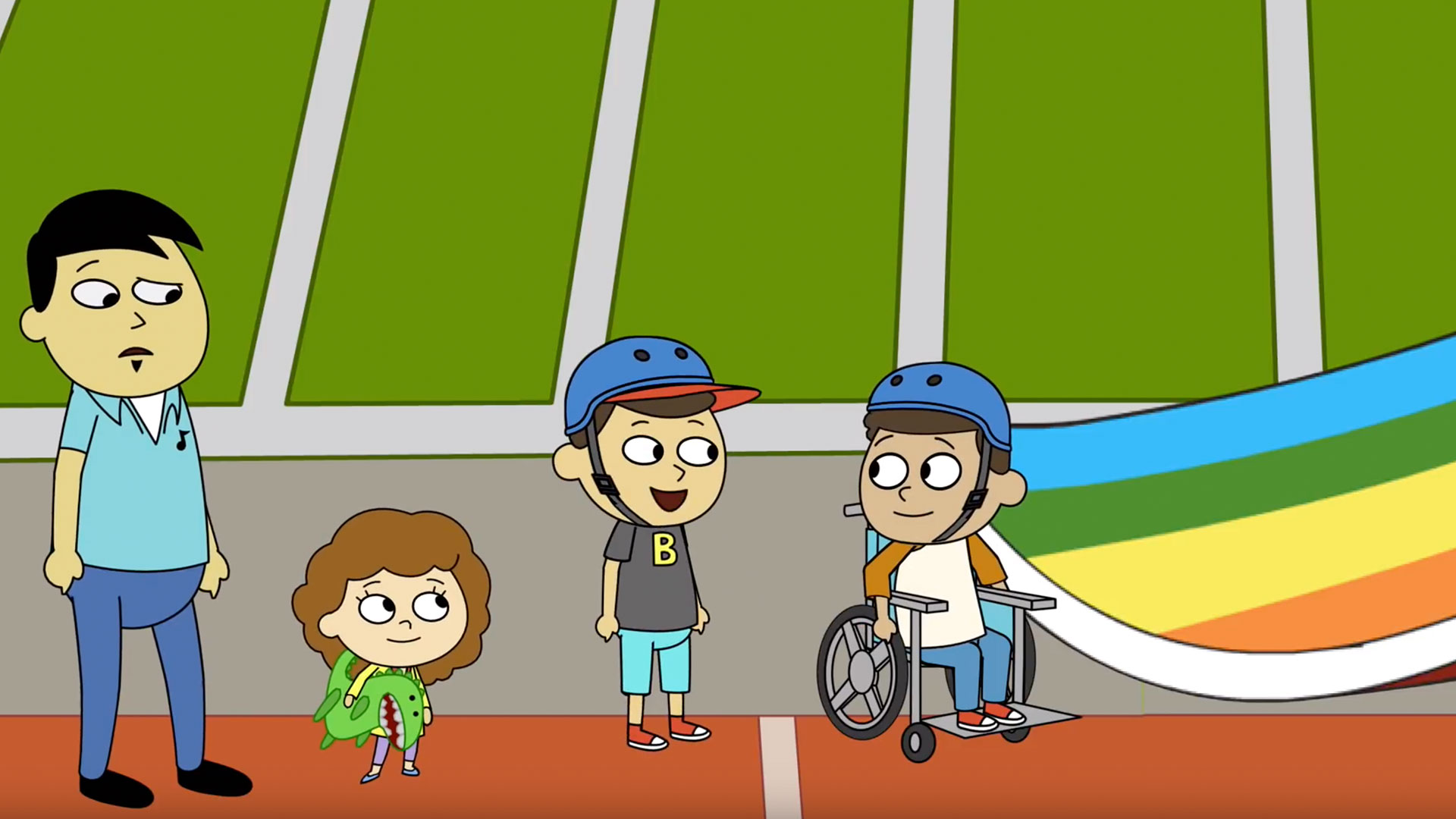
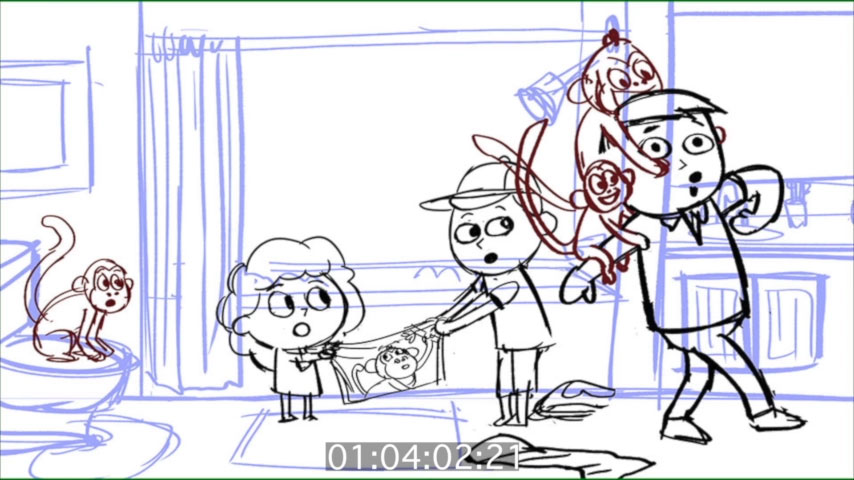
I edited each episode, and oversaw the pre-production, production, and post. On this page, I’m showing the story reels I timed, next to the final episodes.

 
Uploaded by Jeremy Shuback on 2018-10-25.
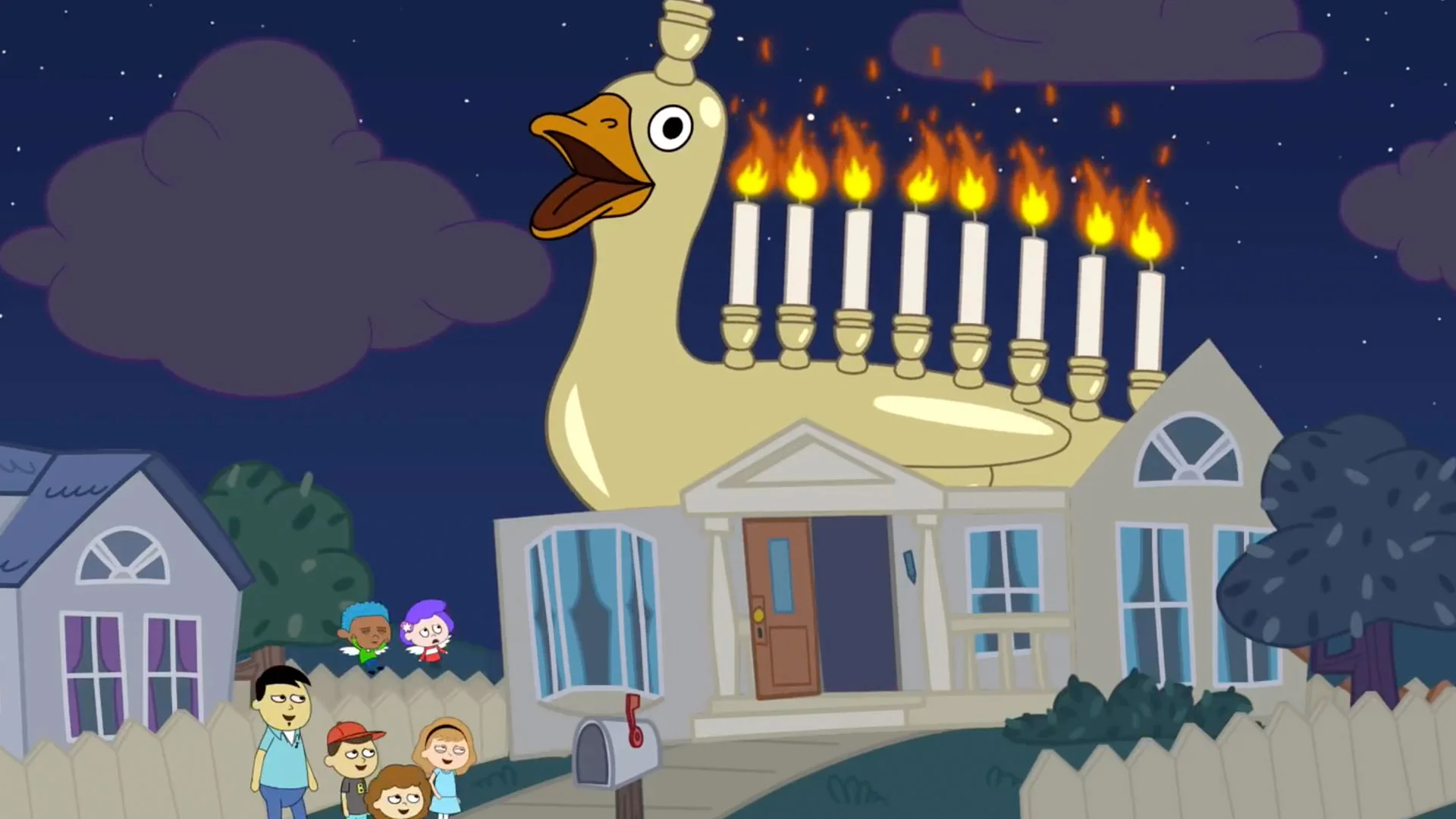
Can the Plony family get the house ready in time for their Chanukah party? Looks like they are in need of a Chanukah miracle. Watch this special Chanukah episode to see how Gabi and Rafi fix the world, one Chanukah party at a time. ABOUT US Shaboom! is a kids cartoon by BimBam.
 

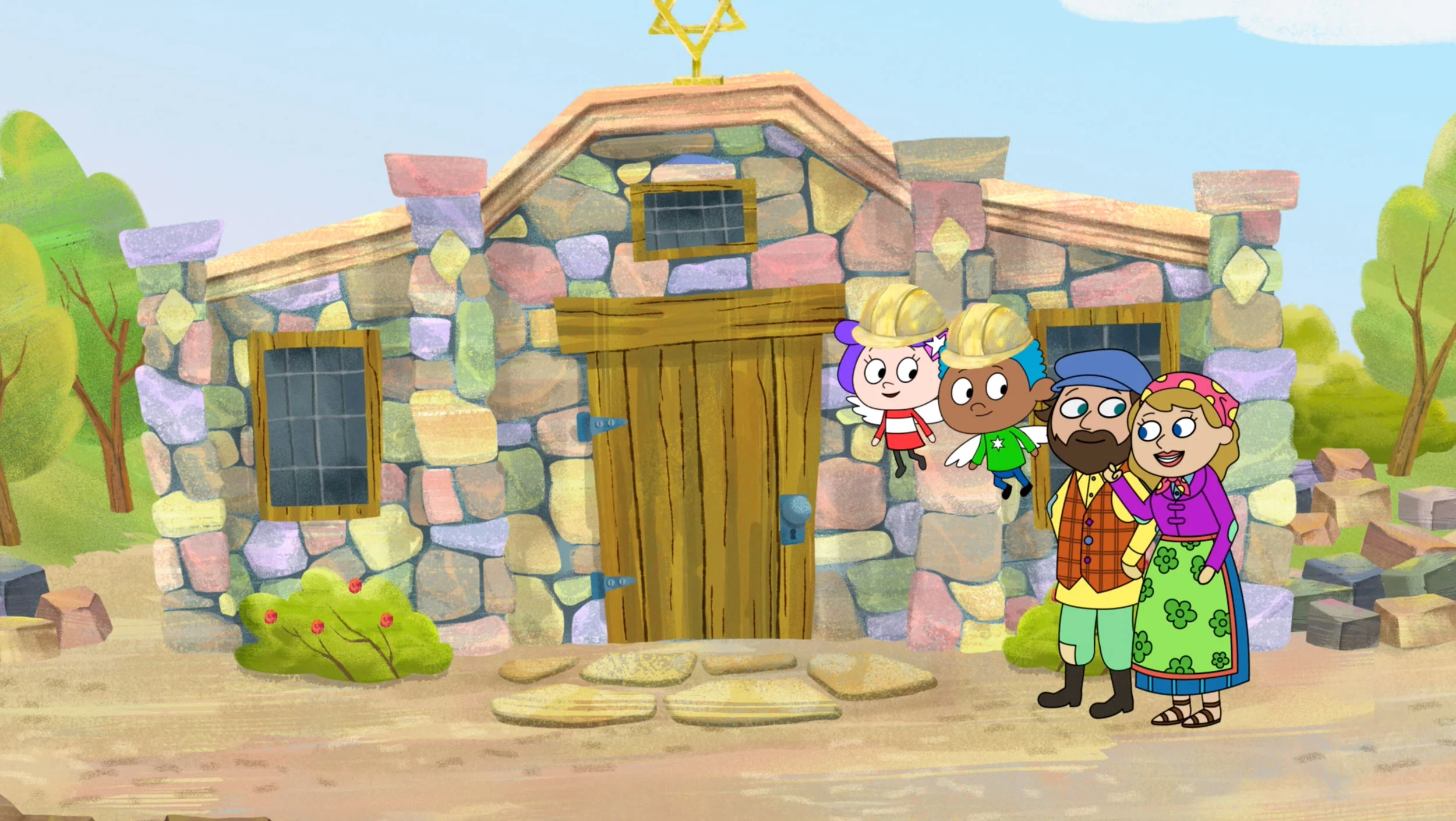
Two artists illustrated the storyboards - Inki Cho and Steven Knudsen. Steven Knudsen also designed the characters.
 
Uploaded by Jeremy Shuback on 2018-10-25.
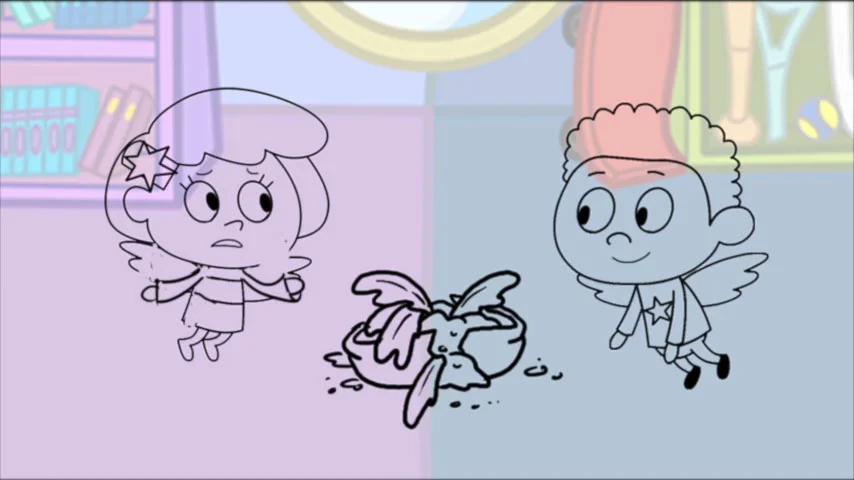
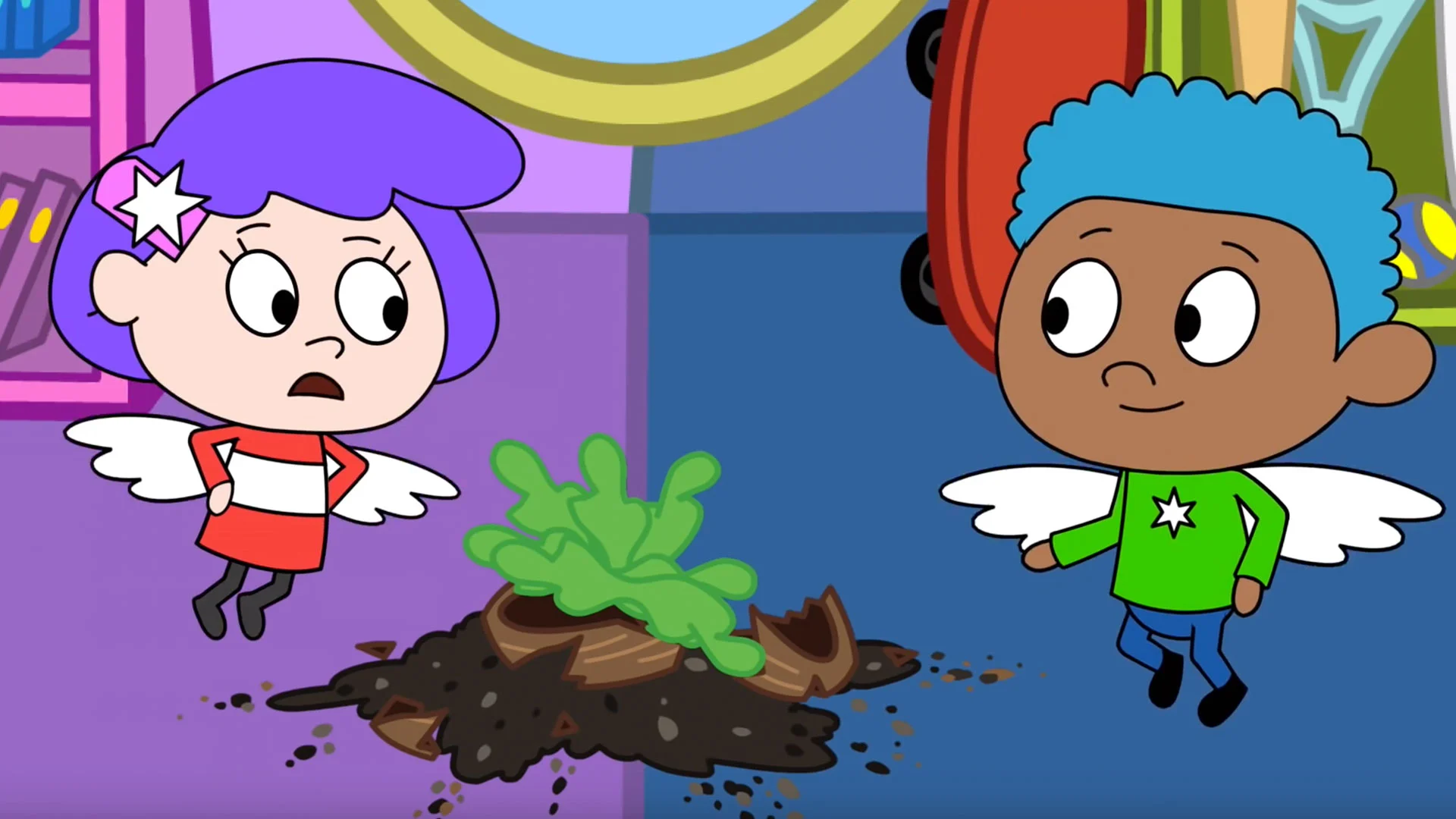
Yom Kippur means it's time to think about making things right. Everyone in the Plony house has something to feel a little sorry about - whether it's breaking something, borrowing something without asking or making wrong accusations. SHABOOM! Gabi and Rafael talk about SLICHA - or saying sorry.
 

I stretched the budget by hiring an overseas animation team, Regh Animation, a first for BimBam. They were absolutely incredible.
 
Uploaded by Jeremy Shuback on 2018-10-25.
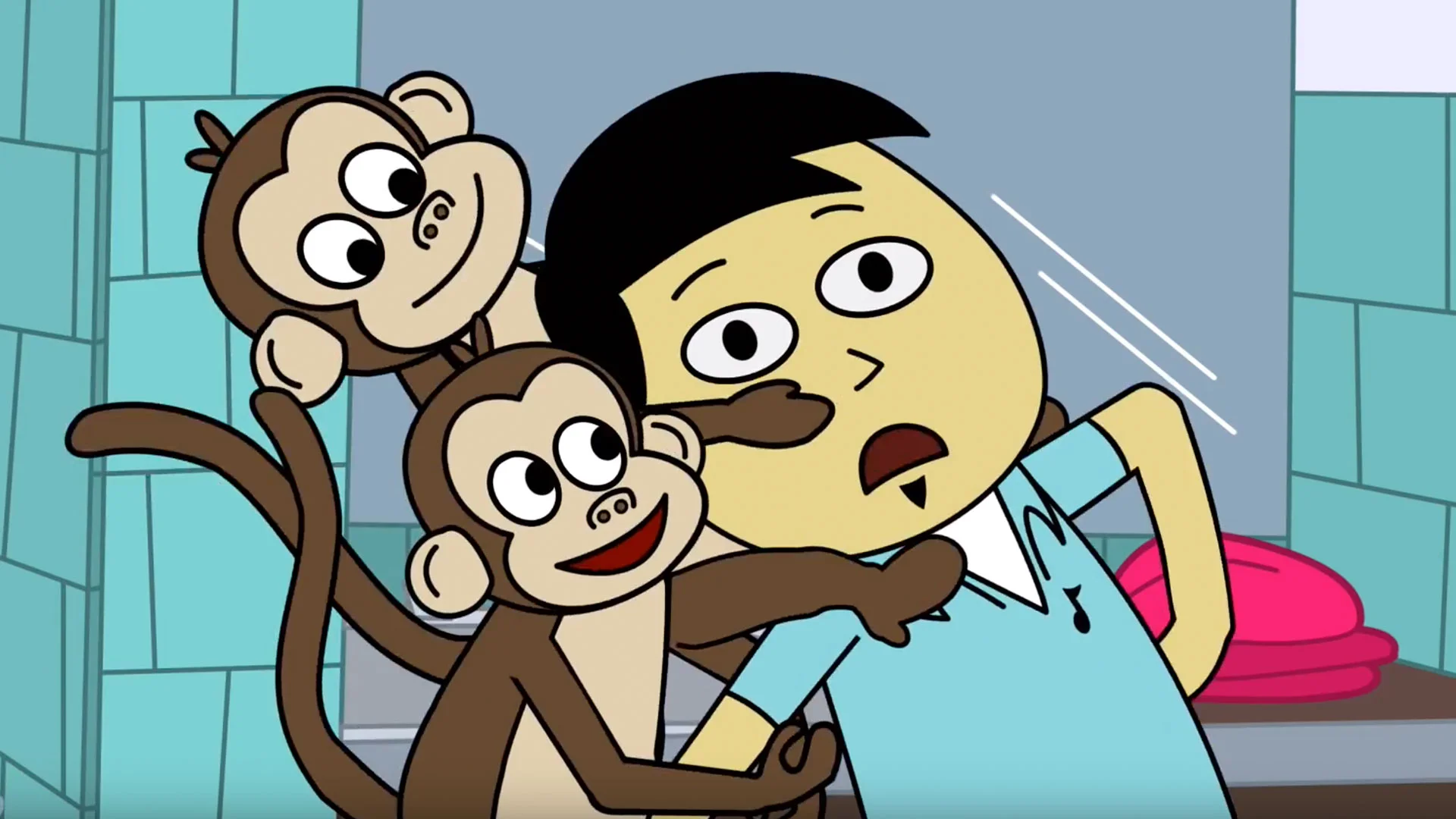
Shalom Bayit means peace in the home. Watch Gabi and Rafael explain Shalom Bayit - with lots of magic and monkey business - in this episode of Shaboom! In Shaboom! Episode 9, kids learn all about shalom bayit. Shalom Bayit means peace in the home.

It’s now seen by thousands of children on a weekly basis.

Uploaded by Jeremy Shuback on 2018-10-25.
Hashavat aveidah means to retun lost objects to their true owners. When Ben finds an action figure, and Lila loses her stuffy, watch Gabi and Rafi explain hashavat aveidah in this episode of Shaboom! In Shaboom! episode 8 kids learn all about hashavat aveidah, or returning lost objects.
Uploaded by Jeremy Shuback on 2018-10-25.
Ometz lev means courage of the heart. Watch Gabi and Rafi courageously explain ometz lev in this episode of Shaboom! Have no fear, Shaboom! is here! In Shaboom! episode 7 kids learn all about ometz lev - courage of the heart. Courage isn't about not being afraid, it is about doing things even though we ARE afraid.
Uploaded by Jeremy Shuback on 2018-10-25.
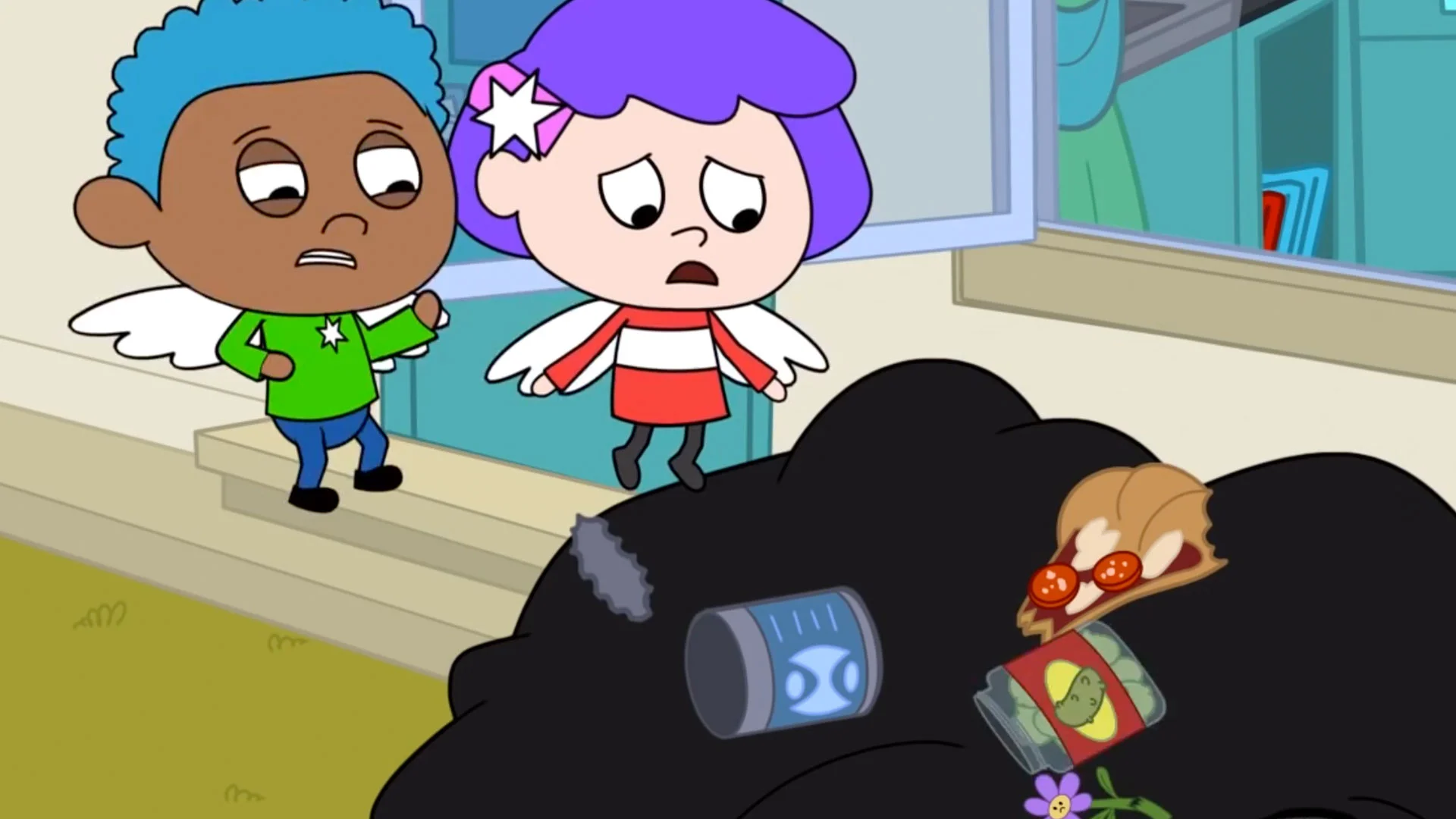
An everyday Jewish idea that environmentalists can really embrace is Bal tashchit - it means to not be wasteful, and take care of the earth. Watch Gabi and Rafi explain why bal tashchit is important in this episode of Shaboom! In Shaboom! Episode 6, kids learn about bal tashchit.
Uploaded by Jeremy Shuback on 2018-10-25.
Kavod means to have respect and honor others. Watch Gabi and Rafi explain Kavod in this episode of Shaboom! In Shaboom! Episode 5, kids learn all about kavod. Kavod means respect. No matter who someone is, or how we feel about them, we should show them respect.
Uploaded by Jeremy Shuback on 2018-10-25.
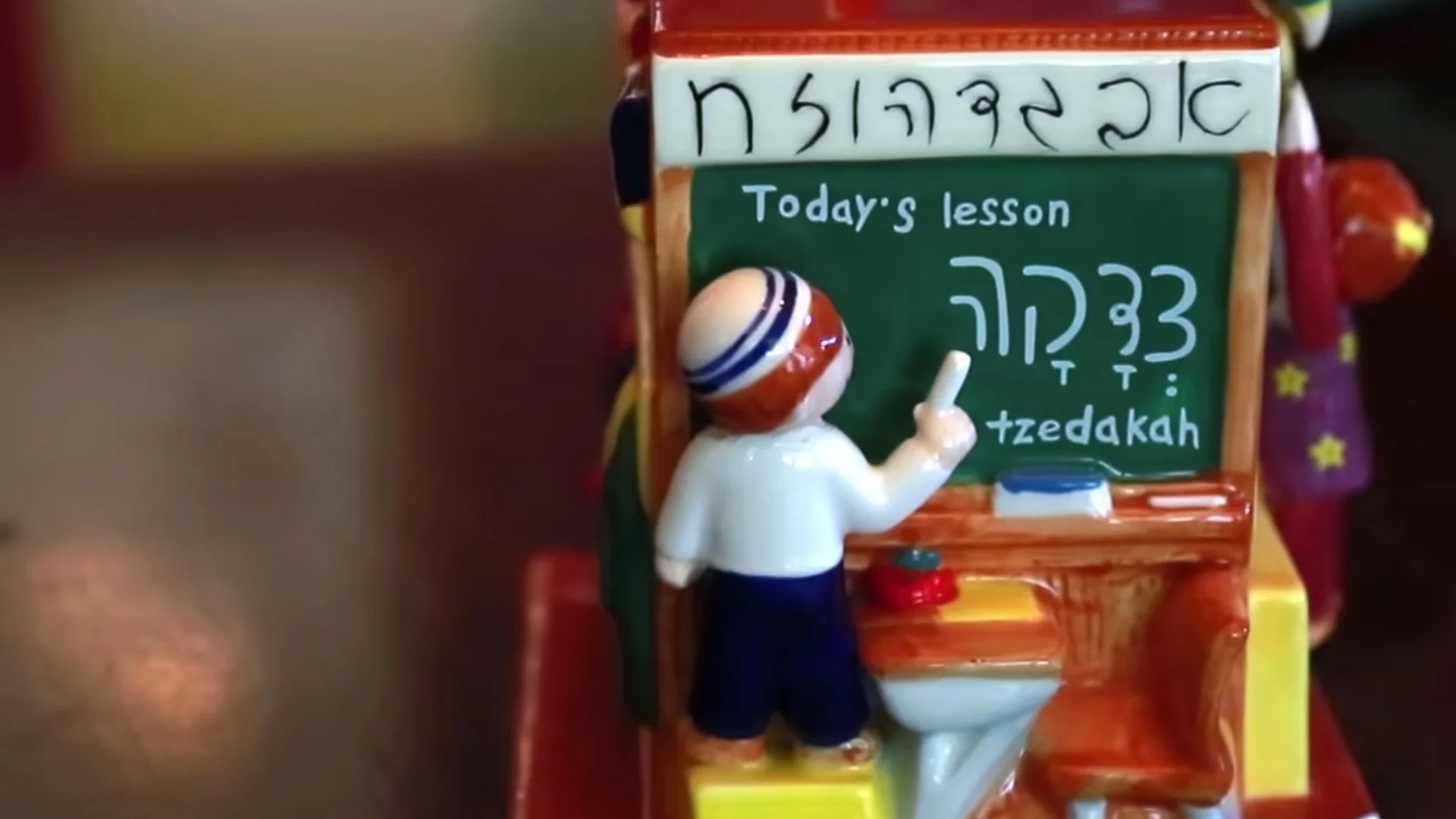
Tzedakah means to give to charity to help the world and those who don't have as much as we do. Watch Gabi and Rafi explain Tzedakah in this episode of Shaboom! In Shaboom! Episode 4, kids learn all about tzedakah: justice, fairness and giving.
Uploaded by Jeremy Shuback on 2018-10-25.
A Jewish word for gratitude is hakarat hatov - it means to see the good in the world and to be grateful for what you have. If you are raising Jewish kids, you'll love watching Gabi and Rafi explain hakarat hatov in this episode of Shaboom! In Shaboom!
Uploaded by Jeremy Shuback on 2018-10-25.
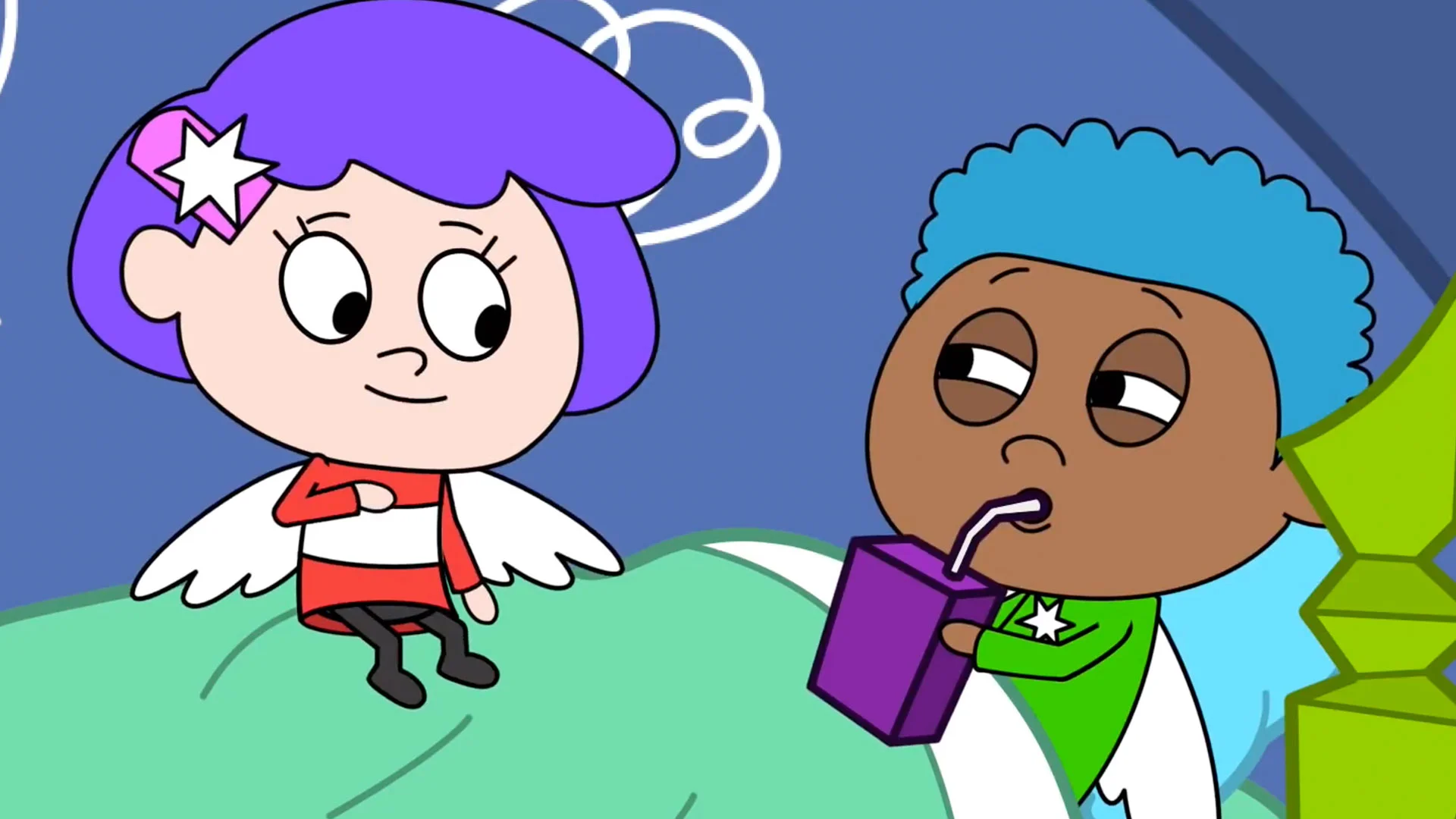
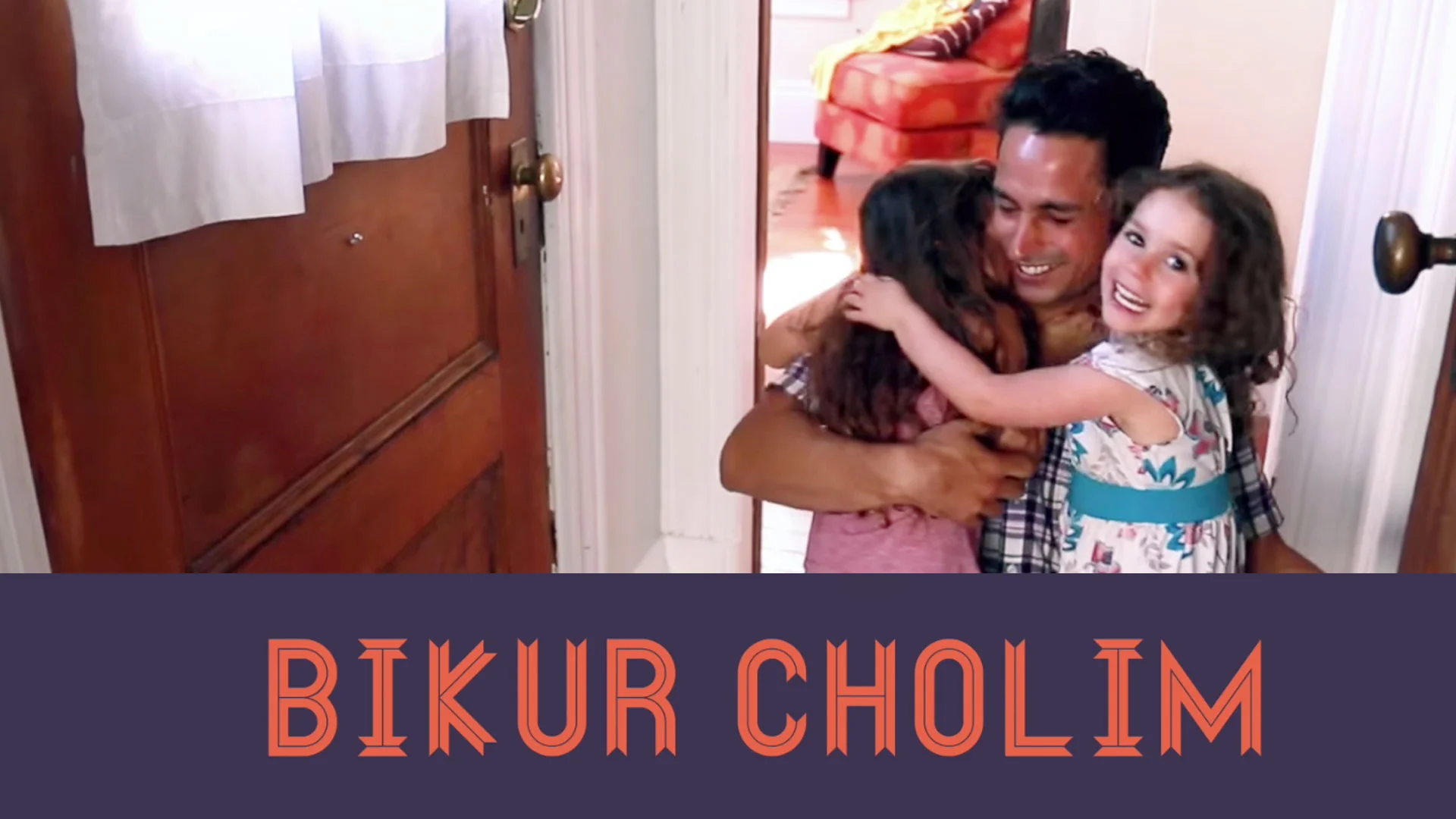
Bikur Cholim means to visit the sick, and help them to feel better. Watch Gabi and Rafi explain bikur cholim in this episode of Shaboom! In Shaboom! Episode 2, kids learn all about bikur cholim, visiting the sick. Nobody likes being sick and being stuck in bed.
Uploaded by Jeremy Shuback on 2018-10-25.
Hachnasat orchim is the Jewish value of making guests feel welcome. Learn how to be a good host in this episode of Shaboom! In Shaboom! Episode 1, kids learn about hachnasat orchim, or how to welcome guests at home. Being a good host means making your guests feel welcome by making them feel genuinely appreciated and honored.

Supplemental Videos

Some additional videos we made for Shaboom! to go along with the main narrative episodes.
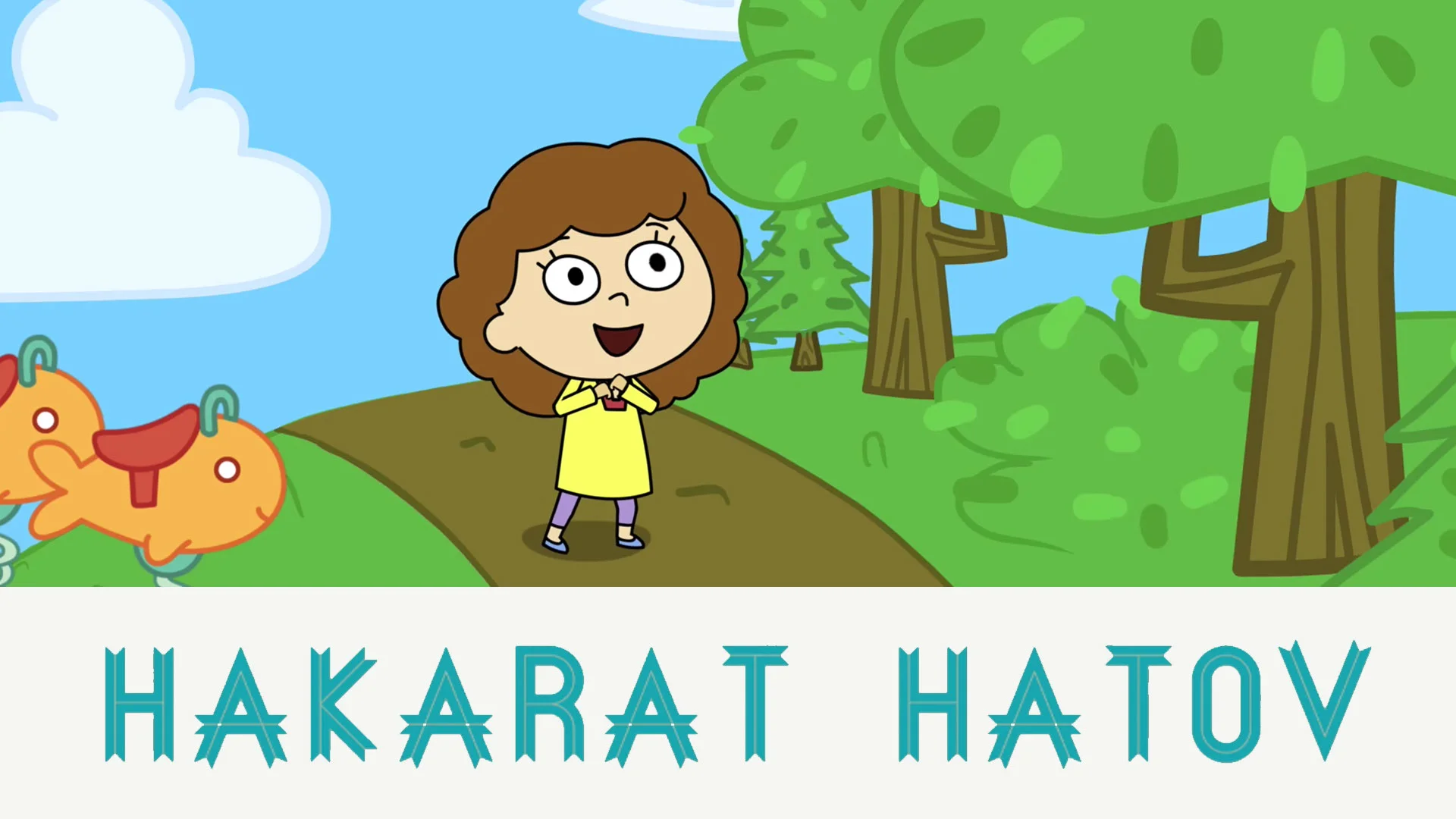
Hakarat Hatov is bigger than gratitude, it's recognition for the things we have and the people we sometimes take for granted. Watch for some practical ideas for teaching kids to have a more grateful perspective on life. Mother of two and start-up founder Margot talks about how Judaism can help us count our blessings, literally, with even young kids.
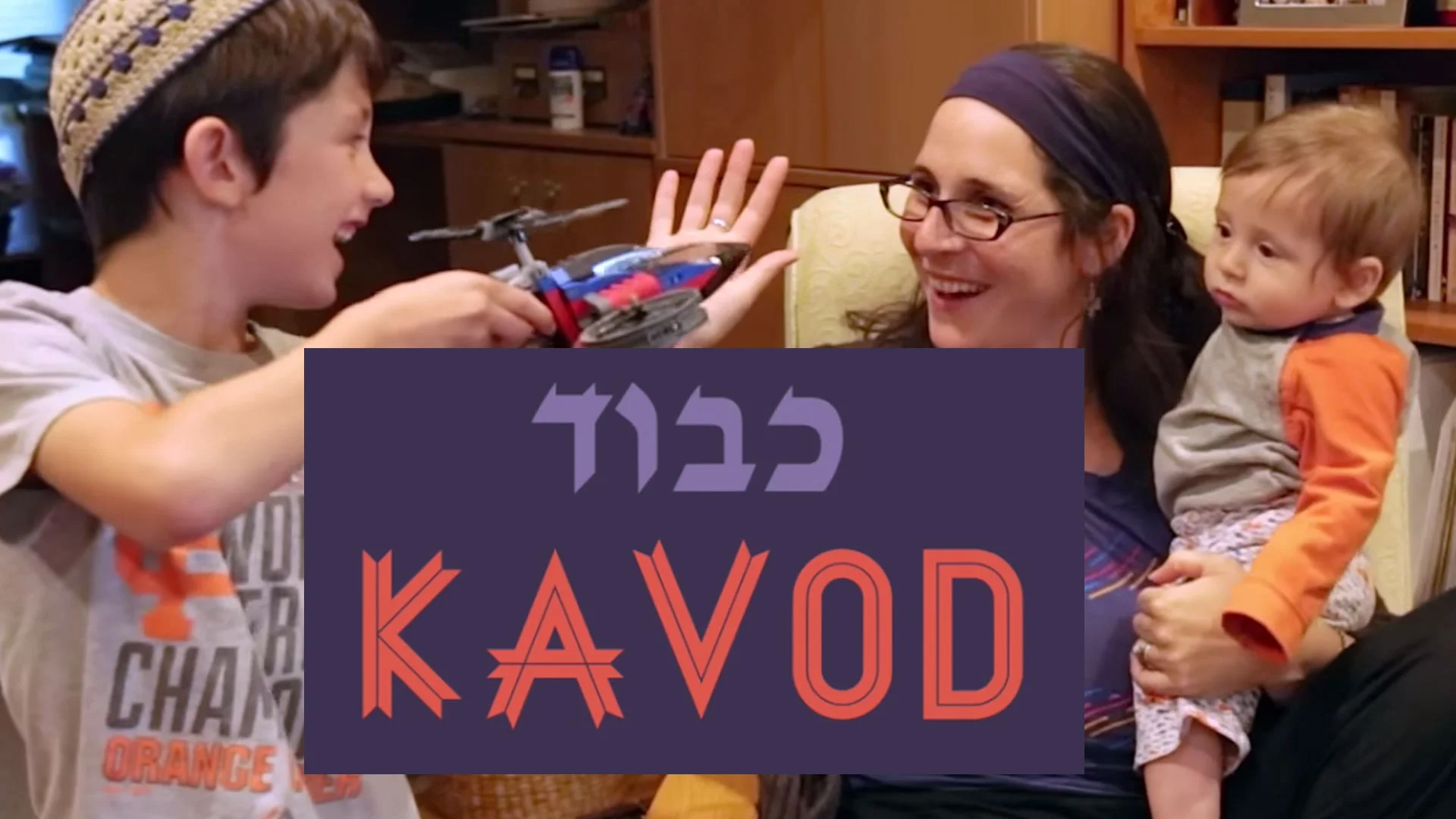
We give kavod to each other because it is the right thing to do - and here are some great ways to help kids learn about respect. As Liora, marriage and family therapist, Jewish storyteller, family educator and mother of three, explains, kavod means honor or respect and in Jewish terms, it is not something that must be earned - rather, it is something inherent to us as human beings.
What's Jewish about welcoming guests? Every culture does hospitality, right? Father of two and psychologist Bill explains some of the practices that families can try out in the realm of welcoming, or hachnasat orchim, that are especially Jewish. Part of our 10-episode series of resources for parents of Jewish kids.
What's Jewish about visiting the sick? Every culture and every kind of person takes care of sick people, right? Well of course! And in Judaism, this is a mitzvah - or commandment! It is said in the Talmud that one should visit "even a hundred times a day" and that "anyone who visits the sick causes them to live."
As Miranda, public health researcher and mother of two, explains, making a regular practice out of tzedakah can be game-changing for a family. Tzedakah means justice, and fairness - and giving to charity is just one way to think about it. This video is part of a series made possible by the Lippman Kanfer Foundation for Living Torah.
Celebrate Tu B'shvat by hosting or attending a seder. When we typically think of a seder, we think Passover and matzo ball soup. But actually, seder is just a Jewish term to describe a special meal that commemorates a certain holiday or story. The Tu B'shvat seder celebrates trees and its fruit.